Royan Institute Hosts Members of the Health and Medical Services Commission of the Islamic Consultative Assembly
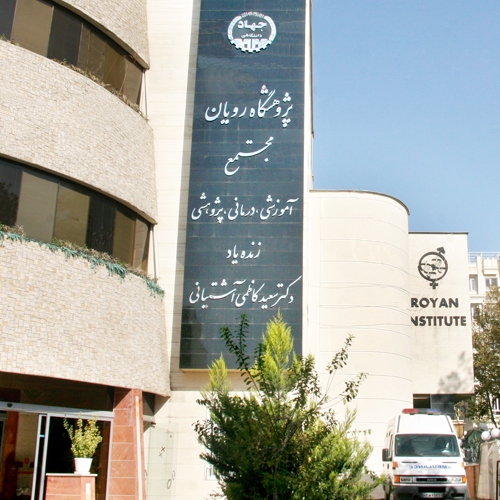
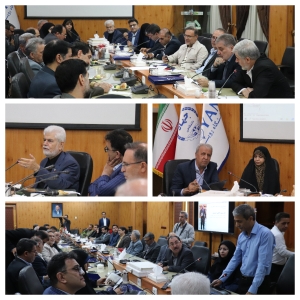 On June 14, 2026, Royan Institute, recognized as one of the country's foremost pioneering institutions in the fields of life sciences, stem cell research, and advanced medical technologies, hosted a delegation of members from the Health and Medical Services Commission of the Islamic Consultative Assembly. This visit was conducted within the framework of strengthening strategic interactions between national health policy-making bodies and one of Iran’s most influential scientific and research institutions. During the visit, the Institute’s latest scientific, technological, and clinical achievements, capacities, and future development prospects were comprehensively reviewed.
According to the Public Relations and International Affairs Department of Royan Institute, the specialized meeting was attended by several members of Parliament, members of the Board of Directors, senior executives, and a number of the Institute’s distinguished researchers and specialists. Dr. Zahra Sheikhi, Vice President for Research and Technology at ACECR, also participated as the representative of the organization. Throughout the session, particular emphasis was placed on the strategic role of Royan Institute within Iran’s national science, technology, and innovation ecosystem.
At the outset of the meeting, Dr. Abdolhossein Shahverdi, President of Royan Institute, presented a comprehensive report on the Institute’s position, performance, and achievements. Referring to more than three decades of sustained scientific activity, he described Royan Institute as a successful national model of the systematic integration of research, technology development, and healthcare service delivery. He emphasized that this structural model has enabled the effective translation of fundamental scientific knowledge into applied technologies and direct healthcare services, thereby contributing significantly to the enhancement of Iran’s scientific standing in the field of life sciences at both regional and international levels.
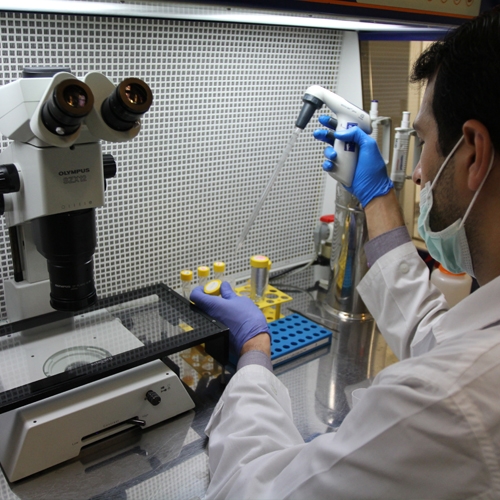
Subsequently, Dr. Hossein Baharvand, one of Iran’s leading scientists in the field of stem cell biology, delivered a report on the development of advanced research activities, international scientific accomplishments, and the Institute’s position at the frontiers of knowledge. He highlighted Royan Institute’s contributions to the generation of reference scientific knowledge, the advancement of innovative biotechnologies, and active participation in global scientific initiatives. Such achievements have established Royan Institute as one of the region’s most reputable scientific hubs in the field of regenerative medicine.
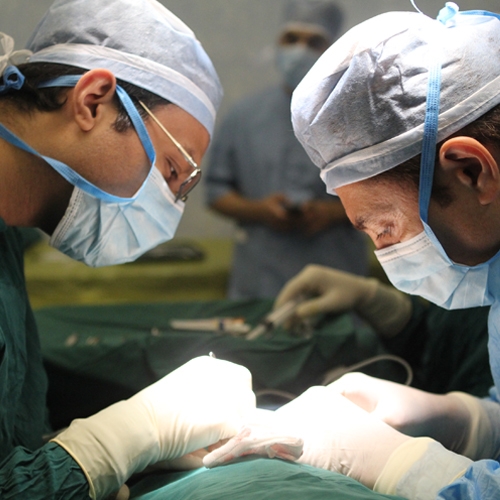
Dr. Ahmad Vosough, Vice President for Clinical Services and Specialized Healthcare at Royan Institute, then presented an overview of the Institute’s performance in infertility treatment and other specialized clinical services. Elaborating on its extensive therapeutic capacities, the expansion of clinical infrastructures, and the continuous improvement of performance indicators, he underscored the Institute’s significant role in addressing the country’s healthcare needs and reducing dependence on cross-border medical services.
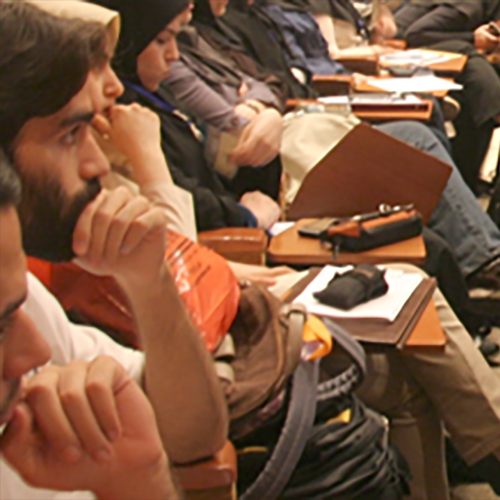
In another segment of the meeting, Dr. Fathi, Vice President for Education at Royan Institute, reported on the Institute’s educational activities, specialist workforce training programs, subspecialty courses, scientific workshops, and the organization of national and international congresses and scientific meetings. He described education as one of the fundamental pillars of sustainable development in life sciences and modern medicine.
During the discussions, members of Parliament recognized Royan Institute as a successful national exemplar of synergy among science, technology, and healthcare. Particular attention was given to its role in the localization of advanced biotechnologies, the development of comprehensive biological and genetic repositories, the enhancement of infertility treatment standards, the production of reference scientific knowledge, and the training of a new generation of leading researchers. Over more than three decades of activity, the Institute has established itself as a prominent regional and international reference center in the field of life sciences.
Dr. Hossein-Ali Shahriari, Chairman of the Health and Medical Services Commission of the Islamic Consultative Assembly, together with the Commission members, expressed their appreciation for the scientific, technological, and clinical achievements of Royan Institute. They also presented a series of strategic perspectives and recommendations aimed at strengthening Iran’s healthcare system. These included expanding support for vulnerable populations, promoting health tourism—particularly in underserved regions—increasing the share of research and development (R&D) within the healthcare sector, and reinforcing the linkage between the knowledge-based economy and medical sciences.
Furthermore, several key issues were highlighted during the meeting, including the development of genetic and biobank infrastructures, the utilization of advanced technologies such as Next-Generation Sequencing (NGS), the enhancement of national capacities for vaccine and biopharmaceutical production, the strengthening of crisis management systems in healthcare, and the necessity of redefining the relationship between research and clinical practice within the country’s scientific and healthcare structures.
At the conclusion of the visit, participants emphasized the importance of maintaining structured and sustainable interactions between policy-making institutions and the nation’s leading scientific centers. The expansion of long-term collaborations aimed at enhancing Iran’s position in life sciences, regenerative medicine, and advanced therapeutic technologies was identified as a strategic imperative.
Within this framework, Royan Institute continues to serve as one of the nation’s most valuable scientific and strategic assets, playing a pivotal role in advancing the frontiers of knowledge, improving healthcare services, and strengthening Iran’s standing within the international scientific and technological community.
Publish date: 2026/06/15