Stored Stem Cells from Royan Cord Blood Bank Used in the Treatment of a Child with Neuroblastoma
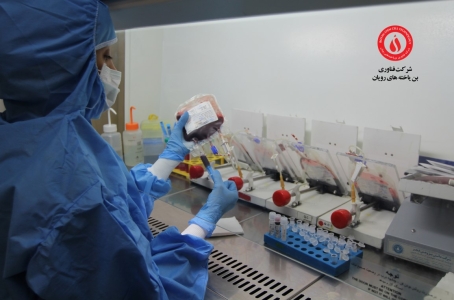
Hematopoietic stem cells previously collected and stored at Royan Stem Cell Technology Company, a knowledge-based company affiliated with Royan Institute of the Academic Center for Education, Culture and Research (ACECR), were used for autologous stem cell transplantation in a four-year-old child with neuroblastoma at Amir Oncology Hospital in Shiraz, Iran.
According to the Public Relations Office of Royan Institute, the child's hematopoietic stem cells had previously been collected and cryopreserved at Royan Stem Cell Technology Company's facility in Tehran. Following preparation and transportation to Shiraz, the stored cells were used in the stem cell transplantation procedure.
Gholamreza Fathpour, a pediatric hematologist-oncologist with subspecialty training in pediatric hematology and oncology and a fellowship in pediatric stem cell transplantation, stated that the four-year-old patient had stage IV neuroblastoma and underwent autologous stem cell transplantation.
This case illustrates the clinical application of hematopoietic stem cell banking in patient care. Through collaboration between specialized cell banking facilities and clinical and transplantation teams, previously stored cells can be made available for therapeutic use when clinically indicated.
Royan Stem Cell Technology Company, a knowledge-based company affiliated with Royan Institute, specializes in the collection, processing, and storage of umbilical cord blood stem cells and other cellular sources. By maintaining specialized cell banking infrastructure and supporting cell procurement and supply processes, the company contributes to the development and clinical application of cell-based therapies.
The company has more than 21 years of operational experience and has stored over 250,000 umbilical cord blood units, making it the country's largest repository of umbilical cord blood stem cells.
The continued development of such infrastructure, alongside advances in medical science and the capabilities of clinical centers, can help expand the clinical applications of stem cells and strengthen the integration of biomedical technologies into healthcare services. To date, more than 50,000 umbilical cord blood transplantations have reportedly been performed worldwide to treat malignant and non-malignant diseases, with an estimated efficacy rate of approximately 75%.